
Home / Features / Inventory & Stock Control / Serial Tracking
Inventory & Stock Control
Know which exact item moved.
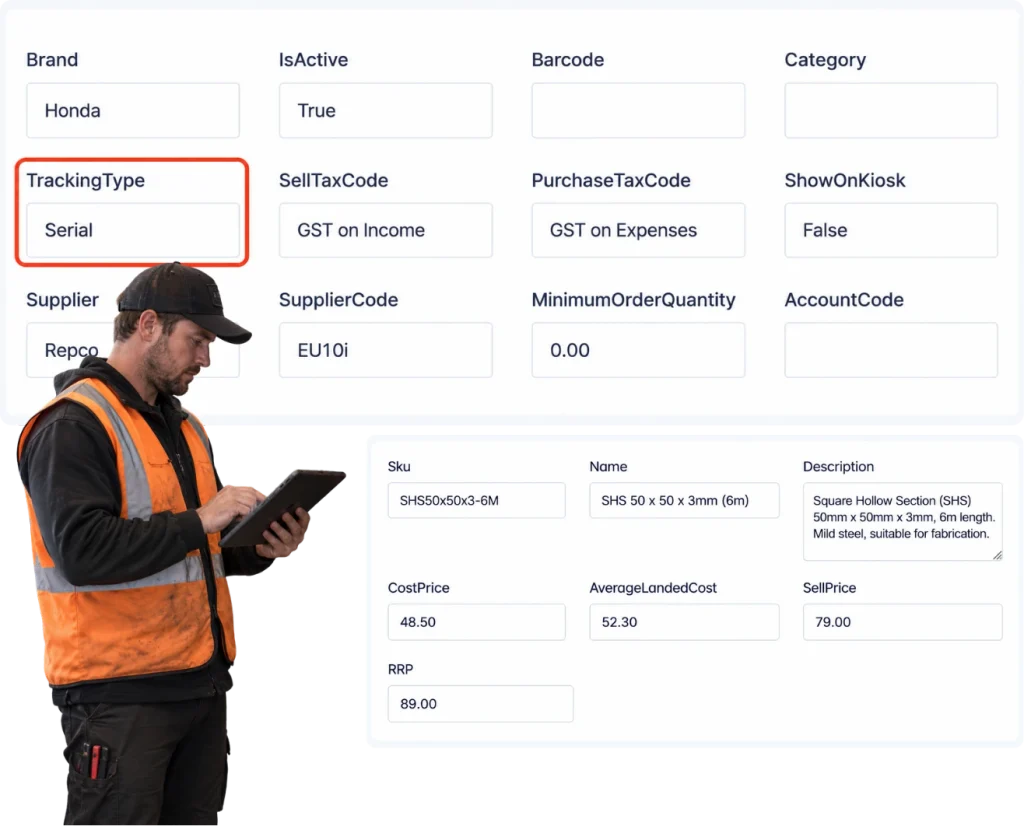
Track serialised products so you can look back and see which specific unit was received, sold, used or installed.
Overview
Sometimes “we used one” is not enough.
A motor, controller, pump or piece of equipment may look identical to the next one, but the serial number is what makes it traceable.
When the customer calls later, the useful question is often not what product did we use. It is which exact one.
What’s inside
What you get
01
Individual item identity
Track one unit separately from another.
02
Serial capture
Keep the supplier or manufacturer serial with the product.
03
Stock availability
See which serialised units are still on hand.
04
Project usage
Keep the exact item with the job that used it.
05
Sales history
Know which serial was sold to the customer.
06
Traceability
Look back at the movement of the specific item.
How it works
How it works
01
Set up the serialised product
02
Receive the item
03
Keep it with the stock
04
Use or sell the item
05
Keep the history
Capabilities
What it does
Capability
Individual item identity
Track one unit separately from another.
Capability
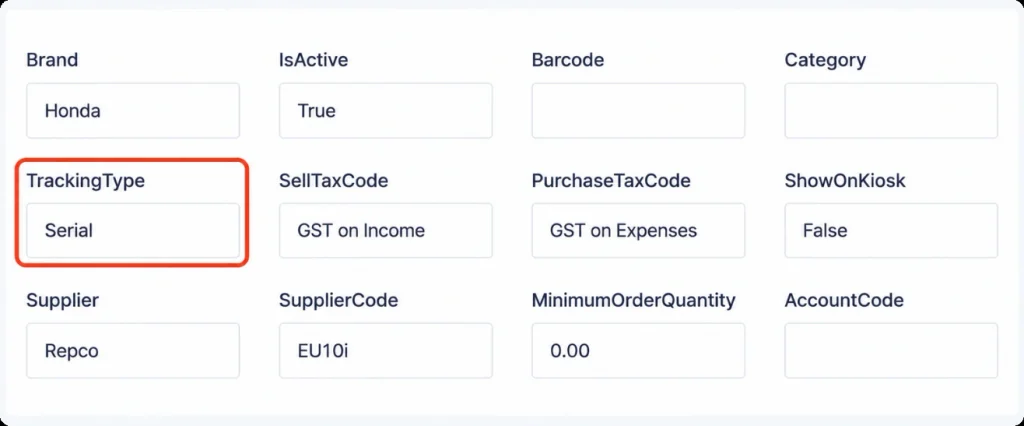
Serial capture
Keep the supplier or manufacturer serial with the product.
Capability
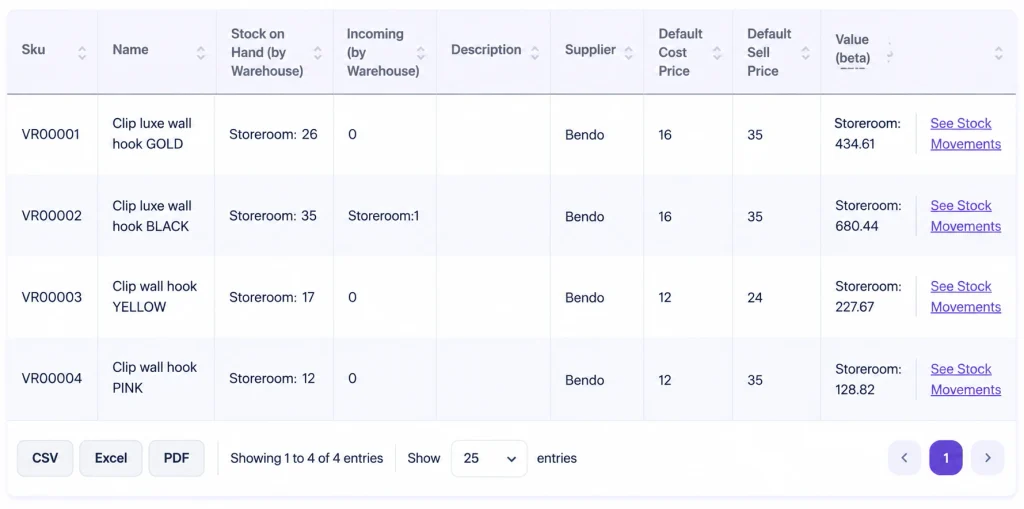
Stock availability
See which serialised units are still on hand.
Project usage
Keep the exact item with the job that used it.
Sales history
Know which serial was sold to the customer.
Traceability
Look back at the movement of the specific item.
What you get out of it
What changes
Know the exact item
Move beyond quantity when individual identity matters.
Make warranty questions easier
See which unit the customer actually received.
Keep project history stronger
Tie the serialised item back to the work.
Reduce traceability guesswork
Use the record instead of old photos and emails.
-
Discovered their contract work wasn’t profitable.
We didn’t wanna pay 100 grand upfront for a program – but then we found WorkGuru.
Nick Mazzella, Administrator, Frontline Trays & Trailers
Fit
Will it work the way we do things?
“Only a few items need serial tracking.”
That is exactly when to use it. Do not add serials to products that do not need them.
“The supplier already has the serial.”
You still need your own record of which unit came into your business and where it went.
“Our technicians take photos of serial plates.”
Useful backup. A searchable product and job record is easier when the question comes later.
“We rarely get warranty claims.”
Good. Serial history is still useful when that rare claim is expensive or time-sensitive.
By trade
Where this gets used
Works with
Connected features
Stock Control
Keep serialised items inside the wider inventory picture.
Stock on Projects
Put the exact item against the job that used it.
Counter Sales
Record the serial on direct product sales.
Asset Management
Use item identity where the product later becomes an asset or service record.
Product Management
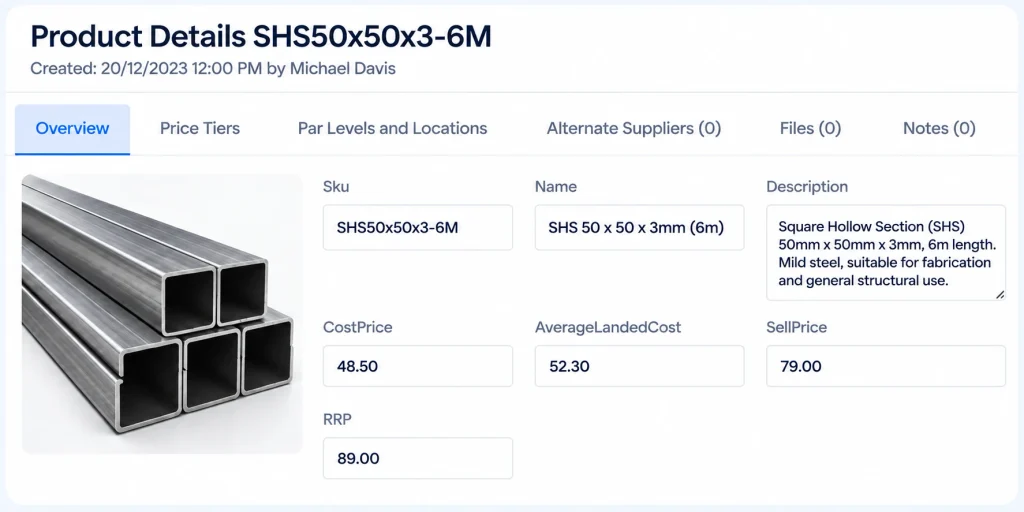
Set which products need serial tracking.
FAQs
Serial Tracking questions
What is serial number tracking in inventory?
It means keeping the unique identifier of an individual item as it is received, held, sold or used.
Can serialised stock be linked to a project?
Yes. The exact serial can stay with the job that used or installed that item.
Can serial numbers be used on direct product sales?
Yes. The serial can be recorded when the specific item is sold.
Do all products need serial tracking?
No. Use it only where individual item identity matters for warranty, service, compliance or history.
How does serial tracking help warranty work?
It shows which exact unit the customer received so warranty and service questions start with a clear item record.
Is serial tracking different from batch tracking?
Yes. Serial tracking identifies one individual item; batch tracking groups multiple items under the same batch or lot.
Know which exact item went out the door.
Show us the products where serial numbers matter and we will show you how that item history can stay with the work.